Need tree removal in Olympia?
Have a tree that worries you? Request a callback to check provider availability, or send your details and request an estimate. No obligation.
No obligationTree Removal Referrals in the Olympia area
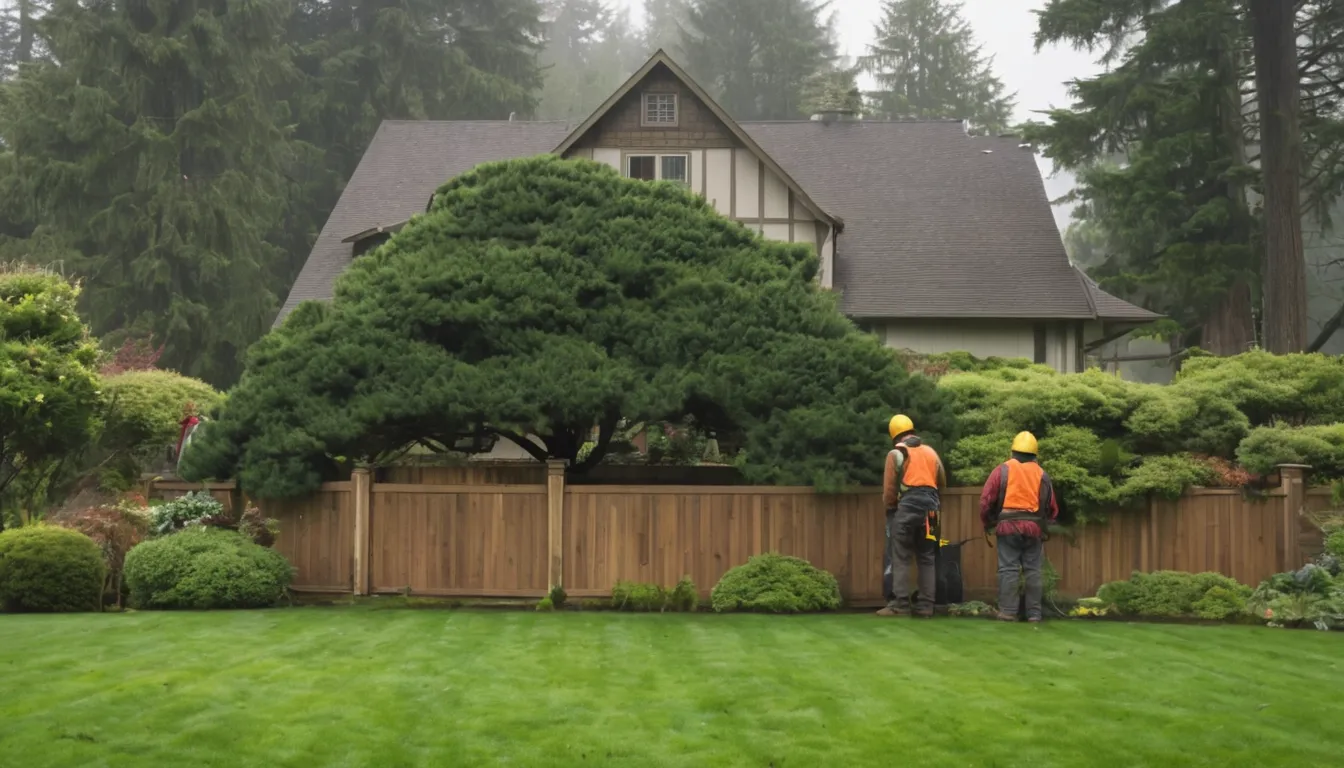
A tree can be a gift for years. Then it leans, rots, or grows too close to the roof. At that point, taking it down is a smart move. It protects your home, your yard, and your neighbors.
Beefheaven Tree Service is a referral service. We do not cut, climb, or haul. We connect homeowners in the Olympia area with independent providers in our network. The provider does the work and sets the price. You get a written quote before anything starts. This page explains the steps, the costs, and the rules in plain words.
Start by looking at the tree. Does it lean? Is the bark peeling? Are there dead limbs? Is it close to your roof or fence? These signs matter. A tree that threatens your house is the most urgent case. A tree you just dislike can wait.
Watch for these warning signs:
One sign is a reason to ask a provider to look. Two or more is a stronger reason.
Stay out of the house if the roof looks hurt. Keep people and pets away. Call 911 if someone is hurt or a power line is down. Never touch a line or a tree that rests on one.
Then request a callback to check provider availability. Many providers can respond quickly to emergency tree removal and storm tree clearance. This page covers planned jobs. Storm damage has its own page.
A long rainy season keeps the ground soft. Soft ground holds roots loosely. Then a windstorm comes, and a weak tree can go over. Damp also feeds moss and rot. Rot hides inside the trunk, so a tree can look fine and still be weak.
Most people have one of these reasons:
Here is the plain truth. Beefheaven Tree Service does not own trucks or saws. We take your request and connect you with a provider in our network. Providers are independent. They run their own crews, set their own prices, and carry their own gear. You deal with the provider for the quote, the date, and the work.
Request a callback or send the request form. Say where the tree stands and what worries you.
The provider checks size, lean, and what sits below it. Houses, wires, and fences all change the plan.
Read it. Check what is included. Ask about cleanup, hauling, and the stump.
A crew climbs or uses a lift. This is the tree falling service itself. They cut the tree in pieces or fell it whole if there is room. Then they clear the wood.
Size is the big factor. Tall, wide trees cost more. So does hard access. A tree over a roof takes more time and care than one in an open yard. Dead or rotten wood adds risk. Hauling and wood chips add cost too. Prices vary a lot, so get a written quote.
A stump is what stays after the cut. Stump grinding means a machine chews it down below the soil. Some quotes include it. Many do not. Ask up front. A left stump can sprout, rot, or trip someone. If you plan to build or plant there, grind it.
Some cities and counties protect certain trees. Size, type, and location can matter. Trees near streets, creeks, or steep slopes often have extra rules. Some homeowner groups have rules too. Ask your city or county office before the work. A good provider can tell you what to check.
Ask simple questions:
Trust providers who answer clearly. Be careful with anyone who pushes you to sign today.
Move cars out of the driveway and off the street nearby. Clear toys, tables, and plants from under the tree. Tell neighbors the date. Keep pets inside. Mark sprinklers or buried lines the crew might hit. Stay clear while the saws run.
Walk the yard with the provider. Check the roof, fence, and gutters. Make sure the wood is cleared if you paid for it. Fill the stump hole or plan the stump work. Keep your quote and receipt with your home records.
A sick tree can hurt a roof, a crawl space, or a wall. It can also hurt resale. Buyers and inspectors notice bad trees. Done right, removal lowers risk and makes the yard safer and neater. Some insurance policies may cover sudden damage, so check your policy. Providers can often help document damage for a claim.
A provider takes the tree down in pieces or whole, depending on the space around it.
Many quotes cover hauling limbs, logs, and brush. Ask to see it written down.
Ask about stump grinding. It is sometimes a separate line on the quote.
The provider checks lean, rot, wires, and roofs before choosing how to cut.
These are common U.S. ranges. Your price depends on tree size, access, and risk. Real quotes can fall outside these numbers. Get a written quote from the provider before work starts.
| Item | Typical range | Notes |
|---|---|---|
| Small tree (under 30 ft) | $200 – $800 | Easy access keeps the price down |
| Medium tree (30–60 ft) | $700 – $1,800 | Common for yard trees |
| Large tree (over 60 ft) | $1,500 – $3,500 | Often needs a crane or lift |
| Tree near house or wires | $1,500 – $4,000 | Extra care and time |
| Stump grinding | $150 – $500 | Priced by stump width |
| Debris haul-away | $100 – $500 | Sometimes included in the quote |
Request a callback or use the form. Tell us where the tree is and what worries you.
We pass your request to a local provider in our network who can help.
Read the price, the tasks, and the cleanup terms. Ask questions.
The provider's crew takes the tree down and clears the site as agreed.
We say up front that we refer. Independent providers do the work and set the price.
You know each step before it happens. No jargon, no surprises.
Providers in our network know the wet weather, the soil, and the local homes.
You can compare quotes before you pick a provider.
Have a tree that worries you? Request a callback to check provider availability, or send your details and request an estimate. No obligation.
No obligationHave a tree that worries you? Request a callback to check provider availability, or send your details and request an estimate. No obligation.
No obligation